How to Choose a Law Firm in Delhi
Ask whether the firm has handled matters like yours – a bail application, a contested divorce, a partition suit, a cheque bounce complaint – and in which court. Confirm that its advocates are enrolled with a State Bar Council and ask for the enrolment number if you wish to verify it. Find out who will actually conduct your case and how often that advocate appears in the court where it will be heard.
Have the fee terms explained before you engage the firm: the professional fee, the court fee and other expenses, and what happens if the matter runs longer than expected. Finally, ask how you will be informed after each hearing. A firm that answers these questions plainly has given you what you need to decide.
Criminal Defence in Delhi: What the Process Involves
A criminal case usually begins with a complaint or an FIR. Since 1 July 2024 offences are defined in the Bharatiya Nyaya Sanhita, 2023 (BNS), procedure follows the Bharatiya Nagarik Suraksha Sanhita, 2023 (BNSS) and evidence the Bharatiya Sakshya Adhiniyam, 2023 (BSA); earlier cases continue under the IPC, CrPC and Indian Evidence Act.
Then come investigation, notice or arrest (Section 35 BNSS, formerly Sections 41 and 41A CrPC), bail, charge-sheet, framing of charge, evidence, arguments and judgment. Bail is sought from the Magistrate, the Sessions Court or the High Court; anticipatory bail (Section 482 BNSS, formerly Section 438 CrPC) from the Sessions Court or the High Court. Trials run in the Delhi district courts – Tis Hazari, Patiala House, Karkardooma, Rohini, Saket, Dwarka or Rouse Avenue – depending on the police station and offence. Appeals and revisions lie to the Sessions Court, the High Court and ultimately the Supreme Court.
Supreme Court Matters: SLPs, Transfer Petitions and Appeals
Three kinds of Supreme Court matters commonly arise from Delhi cases. A special leave petition (SLP) under Article 136 of the Constitution seeks the Court's permission to appeal against a judgment or order of the High Court or of a tribunal; it is ordinarily filed within 90 days of the order, or 60 days where the High Court has refused a certificate of fitness.
A transfer petition under Section 25 of the Code of Civil Procedure, 1908 or Section 447 BNSS (formerly Section 406 CrPC) asks the Court to move a civil or criminal case from a court in one State to a court in another, commonly in matrimonial disputes where the spouses live in different States. Some statutes give a direct appeal to the Supreme Court; where none does, the route is an SLP. Filing is done through an Advocate-on-Record, with whom other advocates may appear and argue.
Civil Litigation in Delhi NCR: What a Civil Suit Involves
Civil suits follow the Code of Civil Procedure, 1908; the Commercial Courts Act, 2015 adds stricter timelines for commercial disputes. In Delhi the forum depends on the suit's value: up to Rs 3 lakh, a Civil Judge; up to Rs 2 crore, the District Judge; and above that, the Delhi High Court on its original side. In Gurugram, Noida, Faridabad and Ghaziabad the limits are those fixed for Haryana or Uttar Pradesh. Court fee is paid on the plaint under the Court Fees Act, 1870.
The suit then moves through summons, written statement (30 days, extendable to 90; 120 days in commercial suits), replication, framing of issues, evidence by affidavit and cross-examination, arguments, judgment and decree, and execution. A temporary injunction may be sought under Order XXXIX. First appeals lie to the District Judge or the High Court; second appeals, on substantial questions of law, to the High Court.
What a Law Firm in Delhi Does
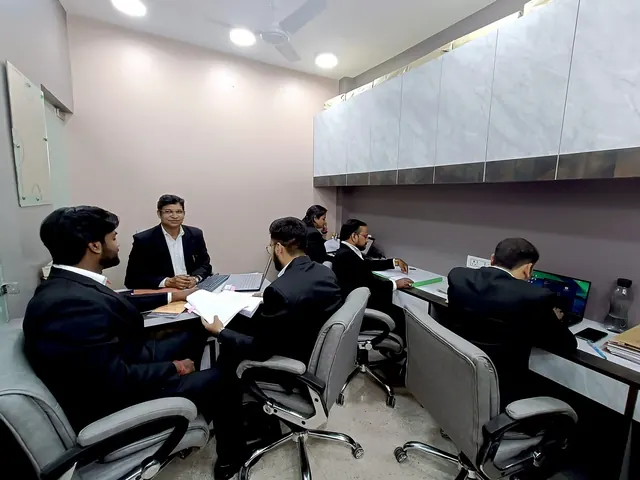
Most of a litigation firm's work is done outside the courtroom. In a typical matter it will:
- Advise on whether a claim or defence is worth pursuing, and what it will involve
- Send or reply to legal notices
- Draft plaints, petitions, written statements, bail applications and appeals
- File and appear at hearings in the district courts, the Delhi High Court, tribunals such as the DRT and the consumer commissions, and the Supreme Court
- Negotiate settlements and appear in mediation and arbitration
- Draft and register agreements, wills, powers of attorney and other documents
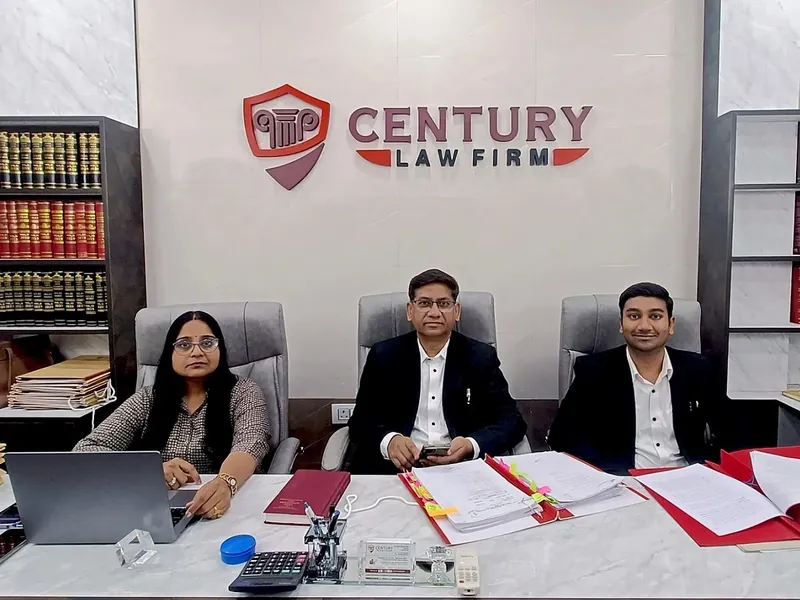
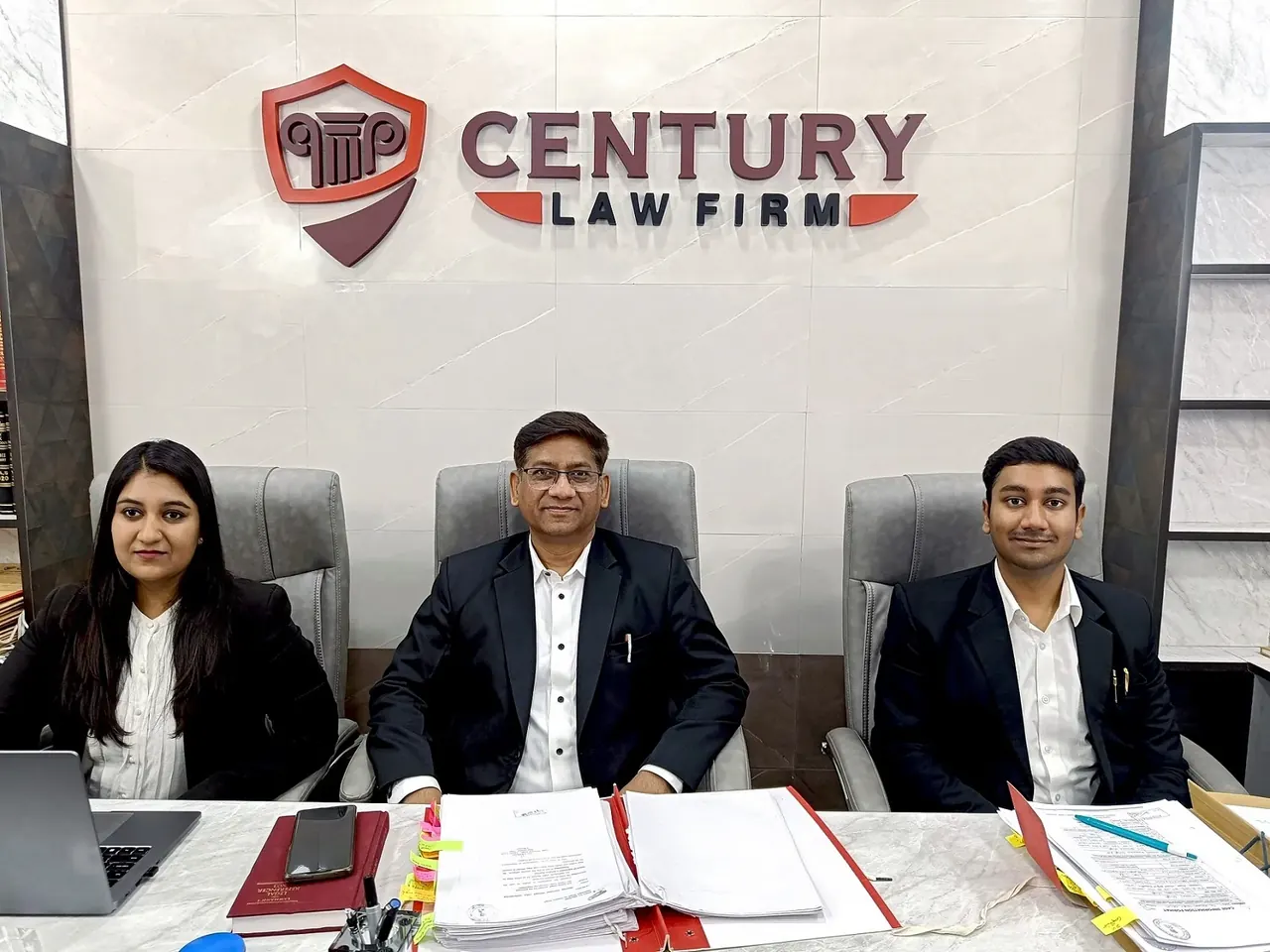
Advocates in India are enrolled with a State Bar Council and practise under the Advocates Act, 1961 and the Bar Council of India Rules, which also restrict how firms may advertise. Century Law Firm carries out this work from its chambers at Tis Hazari Courts, Delhi.